- Visit the official COVID-19 government website to stay informed: sacoronavirus.co.za

Finding freedom paths to overcoming gambling addiction
Значение отзывов клиентов для 1win
20th April 2026How technology is transforming the future of casino gaming
20th April 2026Finding freedom paths to overcoming gambling addiction
Understanding Gambling Addiction
Gambling addiction, often referred to as compulsive gambling or gambling disorder, is a behavioral condition that leads individuals to seek the excitement of gambling despite its negative consequences. This addiction can manifest in various forms, from online betting to traditional casino games, and may severely disrupt personal relationships, finances, and mental health. Understanding the nature of this addiction is crucial for those seeking recovery, as it often stems from underlying psychological issues such as anxiety or depression. Many people find themselves gravitating toward online platforms like Ruby Fortune, which can further complicate their struggles with addiction.
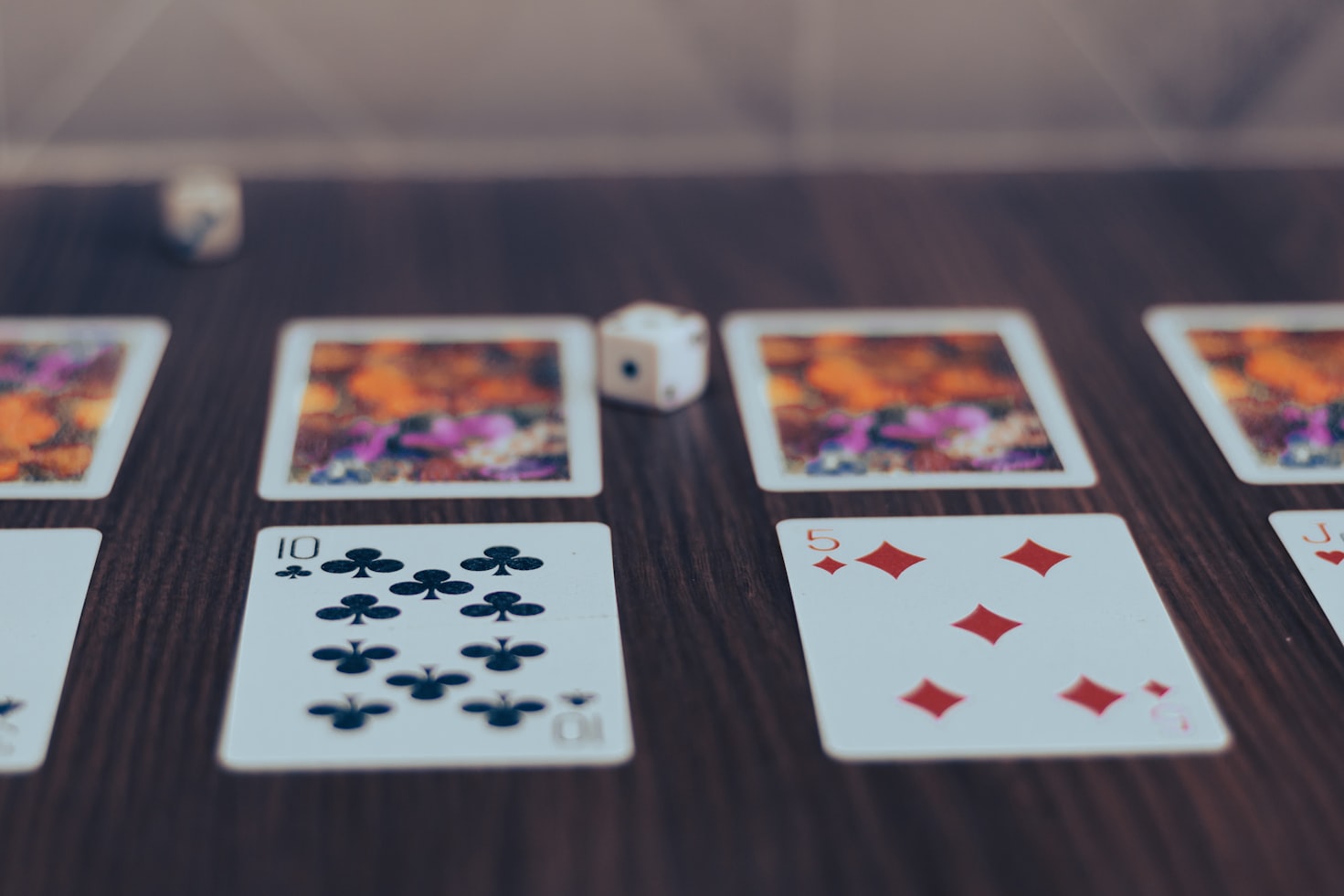
The thrill of winning can create a powerful psychological cycle that reinforces the behavior, making it difficult for individuals to acknowledge they have a problem. As losses mount, the urge to gamble often intensifies in an effort to regain control and recover lost funds. Recognizing these patterns is the first step toward breaking free, as it empowers individuals to confront their behaviors and seek help. Education about the signs and impacts of gambling addiction can serve as a crucial tool in the recovery process.
Moreover, gambling addiction is not just a personal challenge; it impacts families and communities as well. Spouses and children of individuals struggling with gambling may experience emotional distress, financial instability, and a breakdown in trust. A holistic understanding of gambling addiction includes recognizing these ripple effects and emphasizes the importance of support systems in the healing journey. Encouraging open dialogues about gambling can foster healthier approaches to gaming and promote awareness of available resources.
Identifying Triggers and Patterns
To successfully overcome gambling addiction, it’s essential to identify personal triggers and behavioral patterns that lead to compulsive gambling. Triggers may include specific environments, emotional states, or even social settings that prompt the urge to gamble. By keeping a journal or engaging in therapy, individuals can uncover these triggers, which is the first step towards managing them effectively. Awareness of these factors can help in developing personalized coping strategies.
Patterns often emerge in the frequency and context of gambling behavior. For instance, some may find themselves gravitating toward gambling during stressful life events, while others may gamble as a social activity, unaware of its potential risks. Addressing these patterns head-on enables individuals to create a structured plan to mitigate risk. Seeking professional advice to develop a structured approach can be beneficial in recognizing these habits and dismantling them.
Furthermore, cognitive-behavioral strategies can help replace negative thought patterns associated with gambling. Techniques such as mindfulness, relaxation exercises, and cognitive restructuring can aid in managing impulses effectively. Individuals can work on shifting their focus away from gambling and toward healthier leisure activities, thereby reducing the lure of gambling as an escape mechanism. The journey of identifying triggers and patterns is foundational in the quest for recovery.
Building a Support System
Recovering from gambling addiction is not a journey that needs to be taken alone; building a robust support system is critical. This can include friends, family, support groups, and professional counselors who understand the complexities of addiction. Engaging with others who share similar experiences can provide both encouragement and accountability. Support groups often foster a sense of community, helping individuals feel less isolated in their struggles.
Family support plays a pivotal role in recovery, as loved ones can encourage healthier choices and provide a safe space for open discussion about feelings related to gambling. Educating family members about addiction can also help them understand the nuances of the condition, allowing for more empathetic and informed support. Many individuals find that being open about their struggles not only helps them heal but also strengthens their relationships.
Professional counseling is another valuable aspect of building a support network. Therapists specializing in gambling addiction can provide tailored strategies and coping mechanisms. They can help individuals explore underlying issues that may contribute to their gambling behavior, such as anxiety or low self-esteem. A supportive network combined with professional guidance can significantly enhance the chances of long-term recovery and stability.
Implementing Healthy Coping Strategies
Developing healthy coping strategies is crucial for maintaining recovery from gambling addiction. Individuals must find alternative activities that provide joy and fulfillment without the risks associated with gambling. Hobbies such as sports, art, or volunteering can serve as effective distractions, providing both enjoyment and a sense of purpose. Engaging in such activities can also help rebuild self-esteem and create new social circles that don’t revolve around gambling.
Establishing routines is another effective way to manage impulses. Structured daily schedules that include regular meals, exercise, and recreational activities can create a sense of normalcy and stability. Routine can reduce idle time, which often leads to temptation. Moreover, practicing stress-management techniques like yoga or meditation can equip individuals with tools to handle cravings or emotional distress without resorting to gambling.
Financial planning is also an essential component of recovery. Compulsive gamblers often face significant financial challenges due to their addiction. Working with a financial advisor can help individuals create a budget that prioritizes essential needs and gradually works towards financial recovery. Being accountable for one’s finances can empower individuals to make healthier choices and regain control over their lives, reducing the likelihood of relapse.

Finding Resources and Professional Help
Finding appropriate resources and professional help is a vital step in overcoming gambling addiction. Numerous organizations offer specialized services, including hotlines, counseling, and support groups tailored specifically for individuals struggling with gambling issues. These resources can provide valuable information, support, and encouragement, creating a network of help that individuals can lean on during their recovery.
Therapeutic options such as cognitive-behavioral therapy (CBT) have proven effective in treating gambling addiction. CBT helps individuals identify and challenge negative thought patterns, teaching them to replace these with healthier, more adaptive behaviors. Finding a qualified therapist who specializes in gambling addiction can be instrumental in developing strategies for long-term recovery. Such professionals can guide individuals through their journey, helping them to tackle both the addiction and any underlying issues.
Additionally, local community centers and online platforms often provide workshops and seminars on gambling addiction. These events can offer valuable insights into managing addiction and provide opportunities for connecting with others facing similar challenges. Utilizing these resources ensures individuals do not feel alone on their path toward healing and recovery, reinforcing the idea that overcoming gambling addiction is achievable with the right support.